
[Un article de The Conversation écrit par
Julián Cano Povedano – PhD student, Estación Biológica de Doñana
(EBD-CSIC) & Andy J. Green – Profesor de investigación,
Estación Biológica de Doñana (EBD-CSIC)]
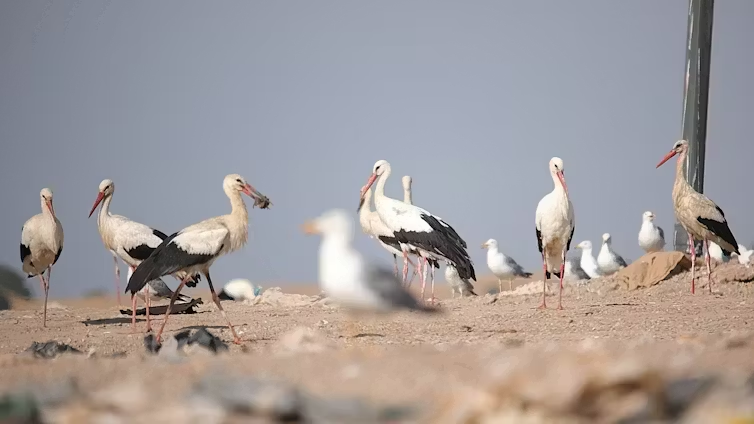
The image of birds invading landfills and feeding on our waste raises concerns about what they actually eat. We know, for example, that these animals can die after ingesting plastic. But what is less known is what then happens to these swallowed plastics and how they can affect other organisms sharing the same ecosystem.
Our research group has been studying the transport of seeds and invertebrates by aquatic birds for several years. However, we often found plastic, glass and other anthropogenic products in the sludge pellets – discarded balls containing indigestible organic remains – and in the droppings we analyzed. So we wondered: what if they also carried plastic?
Plastic pollution is one of the threats our society faces. Although it has been widely studied in marine ecosystems, information on the origin and impact of plastic in wetlands, such as lakes or marshes, remains limited.
How do birds transport plastics?
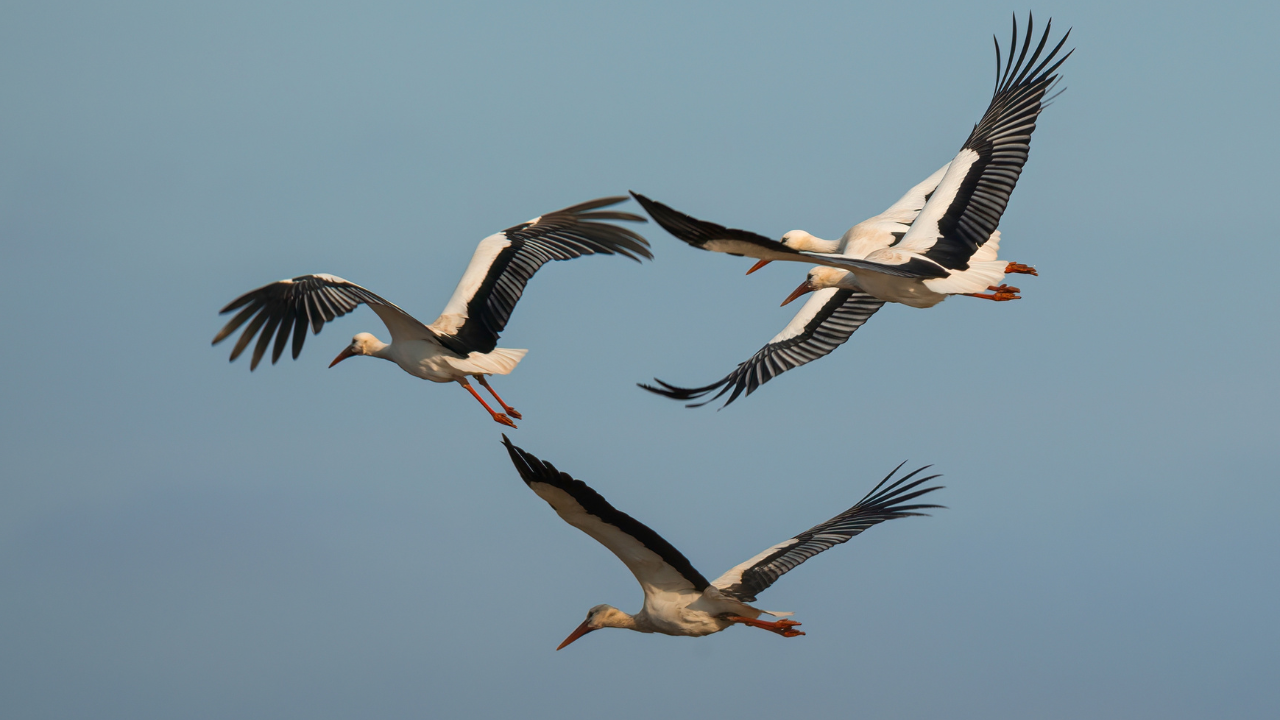
In many places, birds such as storks, gulls or cattle egrets make the same journey every day. They feed in landfills then move to wetlands to rest. There, these species regurgitate pellets containing material that is impossible to digest, such as plastics. They thus act as biological vectors, and their behavior leads to an accumulation of plastics in wetlands used for rest.
But how widespread is this phenomenon?
To answer this question, we focused on three bird species common in Andalusian landfills: the black-backed gull, the yellow-legged gull and the white stork. We followed individuals equipped with GPS and collected pellets of rejects in wetlands linked to landfills by their movements.
After quantifying plastic in the laboratory, we finally combined GPS data, species censuses and waste pellet analysis to estimate the amount of plastic carried by the entire population. The work and processing of samples carried out as part of the project was presented in a documentary dedicated to the transport of plastic by birds to aquatic wetlands.
Hundreds of kilos of plastic every year
The Fuente de Piedra lagoon in Málaga is famous for its colony of pink flamingos. It is an endorheic lagoon, meaning water enters through streams but does not exit, leading to a concentration of salts and any pollutants that enter, including plastics.
In winter, thousands of black-backed gulls that come to breed in northern Europe gather there. We estimate that this population imports on average 400 kg of plastic per year to this Ramsar-listed wetland, coming from landfills in the provinces of Málaga, Seville and Córdoba.
Another recent study carried out in the Cadiz Bay Natural Park allowed us to compare the three species mentioned, which frequent the same landfills and share the natural park as a resting area. In total, we found that these species transported around 530 kg of plastic per year to the marshes of Cádiz Bay, but each did so in a slightly different way.
Differences between storks and gulls
The stork, being larger, carries more plastic per individual than the gulls, because its pellets of rejection are larger. However, the most determining factor in assessing the impact of each species remains the number of individuals traveling between the landfill and the wetland. In our study, it was once again the black-backed gull that moved the most plastic (285 kg per year), due to its abundance during winter.
The direct correlation between frequency of visits to landfills and distance to them is evident in both gulls and storks. Ecosystems located near landfills are therefore most exposed to this problem.
Our study also shows that the spatio-temporal differences specific to each species are reflected in their way of transporting plastic. For example, we observed that the area of the Bay of Cádiz most exposed to plastics from the yellow-legged gull is around its breeding colonies. In addition, this species transported plastic throughout the year, while the other two only did so in connection with their migratory passage.
Finally, we noted some differences in the types of plastics transported: the stork was the only species to bring back pieces of silicone from landfills, for reasons still unknown.
Impact and solutions
Plastics and their additives can cause many problems, not only for the birds themselves, but also for the organisms with which they share their ecosystem – whether plants or other birds. For example, large plastics can cause strangulation or obstruct their digestive systems.
The effects of smaller plastics, as well as those of their additives and the contaminants that attach to them, often go more unnoticed: they act in particular as endocrine disruptors and cause metabolic and reproductive disorders. In addition, they can enter the food chain – passing from an organism to the one that consumes it – and gradually accumulate there as we move up the levels, thus affecting various links in the ecosystem.
Solving this problem is not simple. A European directive (1999/31/EC) provides for the use of dissuasive measures aimed at limiting the use of landfills by these birds. However, debate persists regarding their possible effects on avian populations.
On the other hand, there is a solution within our reach, which does not involve birds and which everyone can apply: that of the famous three “Rs” – reuse, reduce and recycle the plastics we use.

With an unwavering passion for local news, Christopher leads our editorial team with integrity and dedication. With over 20 years’ experience, he is the backbone of Wouldsayso, ensuring that we stay true to our mission to inform.


