

The cluster headaches are among the most intense pains identified in humans, well before childbirth or kidney stones according to a study published in 2020 in The Journal of Headache and Pain. This rare pathology, which affects approximately 0.1 % of the world's population, remains largely unknown to the general public as many health professionals. Patients, often misunderstood and poorly oriented, find themselves alone in the face of unbearable crises.
Pain classified extraordinary: cephalae in cluster
The cephale in cluster, known in English under the name of Headaches clusterare classified as the most intense form of pain identified in humans. This observation comes from a study published in 2020. It interviewed more than 1,600 patients with this pathology. The researchers asked them to assess the pain felt on a scale of 1 to 10. Result: an average of 9.7, a score much higher than that attributed to childbirth (7.2), pancreatitis (7), kidney stones (6.9) or even ball injuries (about 6). As a comparison, a heart attack obtained a score of 5 in this same investigation.
Capphalés in cluster are migraines of a particular type, marked by episodes of extremely acute pain, generally centered around an eye. This pain often radiates towards the temple, forehead or jaw. It is frequently accompanied by a unilateral tearing, nasal congestion, redness of the eye or even localized sweats on the face. These episodes occur repeatedly, up to eight times a day, often at the same hours. They form what specialists call a “cluster”.
These crises can last from 15 minutes to 3 hours and continue for several weeks or even months, before a remission phase. Admittedly the disease is rare, around 0.1 % of the world's population would suffer from it. But its consequences remain major. Due to the violence of the symptoms and the absence of curative treatment, almost half of the patients considered suicide. Hence their terrible nickname: “suicidal headaches”.
Disposal medicine
Despite the extreme gravity of bunch headaches, their recognition in the medical field remains marginal. Patients frequently testify to erroneous diagnoses, often confused with migraines or psychosomatic disorders. This lack of specific knowledge in health professionals aggravates the distress of patients. They must then consult multiple times before obtaining correct identification of their pathology.
In addition, the therapeutic options available remain both limited and unsuitable. The treatment with high speed oxygen, recognized as the most effective in interrupting a crisis in approximately three out of four patients, remains little prescribed. His obtaining is the obstacle course, especially in the United States where he is not officially approved by the Food and Drug Administration (FDA) for this indication. Result ? Patients have to pay their pockets, if they find a practitioner ready to recommend it.
Triptans, another frequently proposed solution, are problematic in the long term. Although useful to interrupt an attack, their chronic use can cause kidney or hepatic complications, in addition to a phenomenon of therapeutic dependence. Some patients report having consumed more than 1,000 doses in less than a year.
Faced with the ineffectiveness of available treatments and isolation caused by social and medical misunderstanding, many patients lose confidence in conventional medicine. Some come to test extreme methods, even if it means risking their health, even their life.
Psilocybin: the remedy from the shadow against the headache
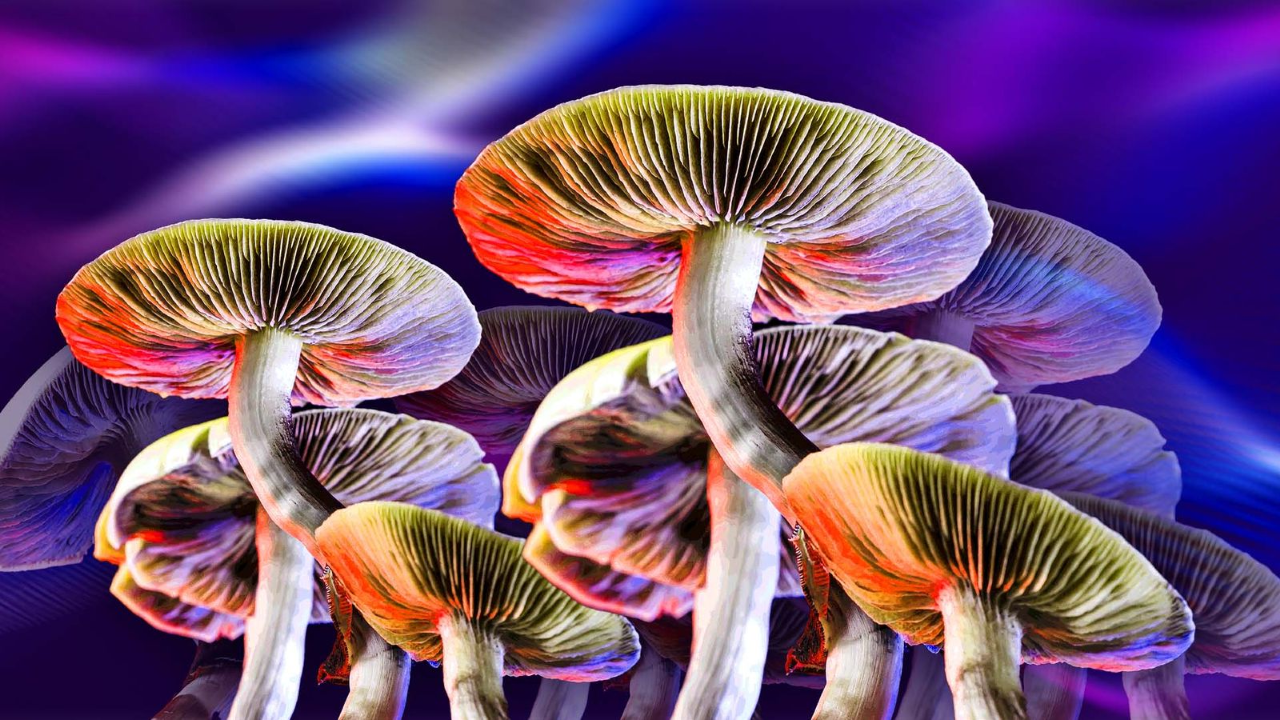
Indeed, some patients have found an unexpected relief in a psychedelic substance: psilocybin. This is the active principle of the so -called hallucinogenic fungi Magic Mushrooms. Initially studied in the 1950s, then marginalized after its ban in the 1970s, this molecule is today resurfaced. How ? By a community experimentation online.
It is on specialized forums such as clusterbusters.org, created by the American Bob Wold in 2002, or on Reddit via the R/CLUSTERHEADS subfum, that patients began to exchange their experiences. Noting the ineffectiveness of conventional treatments, they turned to psilocybin after testimonies reporting spectacular effects on crises. An empirically validated method has been drawn. It only takes three doses spaced in moderate doses at the start of a cycle. We then speak of “busting” protocol, or cycle break.
Unlike recreational use, these doses are generally non -hallucinogenic or weakly psychoactive. They target a therapeutic effect rather than a “trip”. The principle is based on the supposed capacity of the psilocybin to interrupt or reprogram the neural mechanisms responsible for the attacks. For some patients, the results are radical. They bear witness to a complete judgment of grape crises, with periods of remission going up to several years.
Science catches up with patients
Long ignored by academic research, the psychedelic track ended up drawing the attention of scientists to the scale of testimonies. In Yale, the neurologist Emmanuelle Schindler directed, in 2022, the first clinical study in double blind and controlled on the psilocybine applied to cephale in cluster. The results are clear: three five -day spaced microdoses made it possible to halve the frequency of crises in voluntary patients. A second Danish study, published in early 2024, confirmed these observations.
But psilocybin is not the only explored molecule. The BOL-148, a non-hallucinogenic version of the LSD tested in 2010 in Germany, showed prolonged remission potential after only three taken. Another emerging track: the DMT, psychedelic substance active in a few seconds when it is inhaled. Several patients report that a puff is enough to interrupt a crisis in less than a minute.
However, these solutions remain out of legal reach for the majority of patients. In the United States as in the United Kingdom, possession of these substances exposes to heavy penalties. In France, the situation is hardly more favorable: psilocybin, LSD and DMT are classified as drugs by the National Agency for the Safety of Medicines (ANSM), their use, possession or culture are strictly prohibited, including for medical purposes.
No experimental framework has yet been set up to test these molecules in the context of bunch headaches. This paradox therefore places patients between chronic suffering and necessary transgression, forced to choose between legality and the possibility of relief.

With an unwavering passion for local news, Christopher leads our editorial team with integrity and dedication. With over 20 years’ experience, he is the backbone of Wouldsayso, ensuring that we stay true to our mission to inform.


