
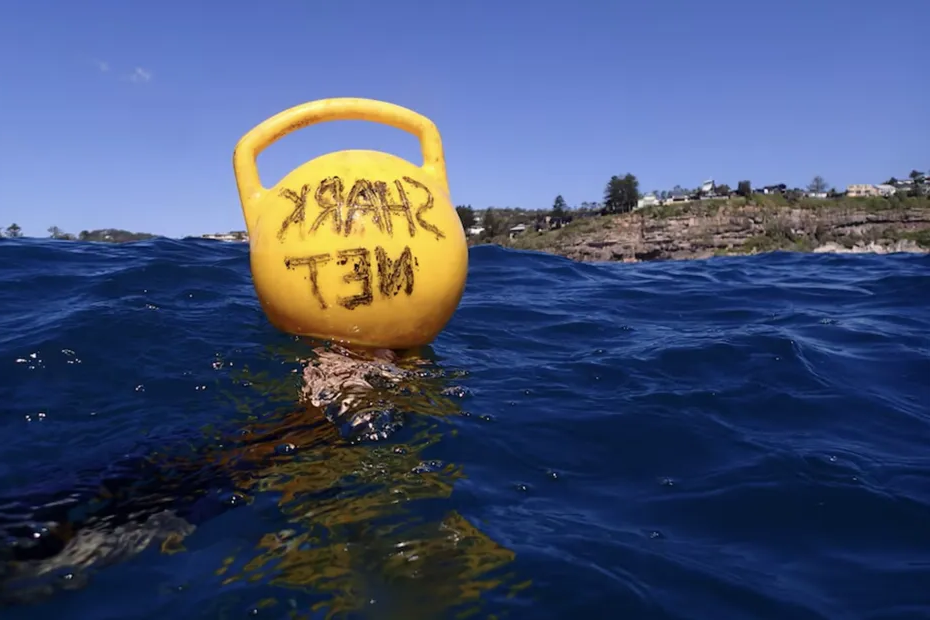
From turquoise bays from Sunshine Coast to the waves of Gold Coast, the Queensland beaches are among the most popular in Australia. But behind this postcard hides a more disturbing reality. For several years, shark attacks have been supplying the fear of bathers and local authorities. Faced with this growing pressure, a new anti-resistant plan in Australia has just been launched by the Queensland government, with an unprecedented ambition and means up to the challenges.
The program is based on a combination of classic and innovative solutions. The beaches of the Gold Coast, the Sunshine Coast and the Wide Bay region will see the installation of new nets and drumlines. Added to this is a significant extension of drone surveillance, operational all year round, with daily maintenance of equipment according to weather conditions. The displayed objective is twofold: guaranteeing the safety of bathers and preserving the reputation of Queensland as a major seaside destination, valued at 33 billion dollars by the Minister himself.

The anti-resonent plan in Australia under the fire of criticism
If the government highlights the effectiveness of its device, in particular thanks to a study cited in the KPMG evaluation report, environmental NGOs denounce an archaic and dangerous strategy. The Sea Shepherd Australia organization, through the voice of its representative Jonathan Clark, describes this strengthening of the “dangerous climbing” program. According to him, the drumlines would attract large sharks closer to the coasts, paradoxically aggravating the risk of attack. This concern was relayed in the columns of ABC News, which also highlights the consequences for turtles and other non -targeted marine species.
The NGO is not content to alert on the ecological impact. It also raises doubts about the legality of the system. Article 43b (3) of the Australian law on the protection of biodiversity could, according to Clark, make illegal any extension of the program without federal authorization. A petition has already been launched to request the withdrawal of the nets in the state. The debate therefore takes on a legal magnitude, in addition to the scientific opposition.
Towards a new generation of coastal protection?
In this tense climate, some alternative tracks are starting to emerge more clearly. Among them, surveillance by drones is a consensual solution. More respectful of biodiversity, this method would identify real -time sharks without disturbing ecosystems. According to France Info, the government already plans to extend this network to six additional beaches from 2025, including Mooloolaba and Agnes Water.
Beyond technology, public awareness becomes a strategic lever. The plan provides for an updating of the Sharksmart campaign, intended to better inform bathers about the behavior to be adopted to reduce risks. Education, associated with research on non-lethal technologies such as whale repellents or underwater barriers, constitutes a pillar of the action plan. Queensland Shark Management Plan insists on this combined approach, based on science and adaptation to developments in the coast.

With an unwavering passion for local news, Christopher leads our editorial team with integrity and dedication. With over 20 years’ experience, he is the backbone of Wouldsayso, ensuring that we stay true to our mission to inform.


