
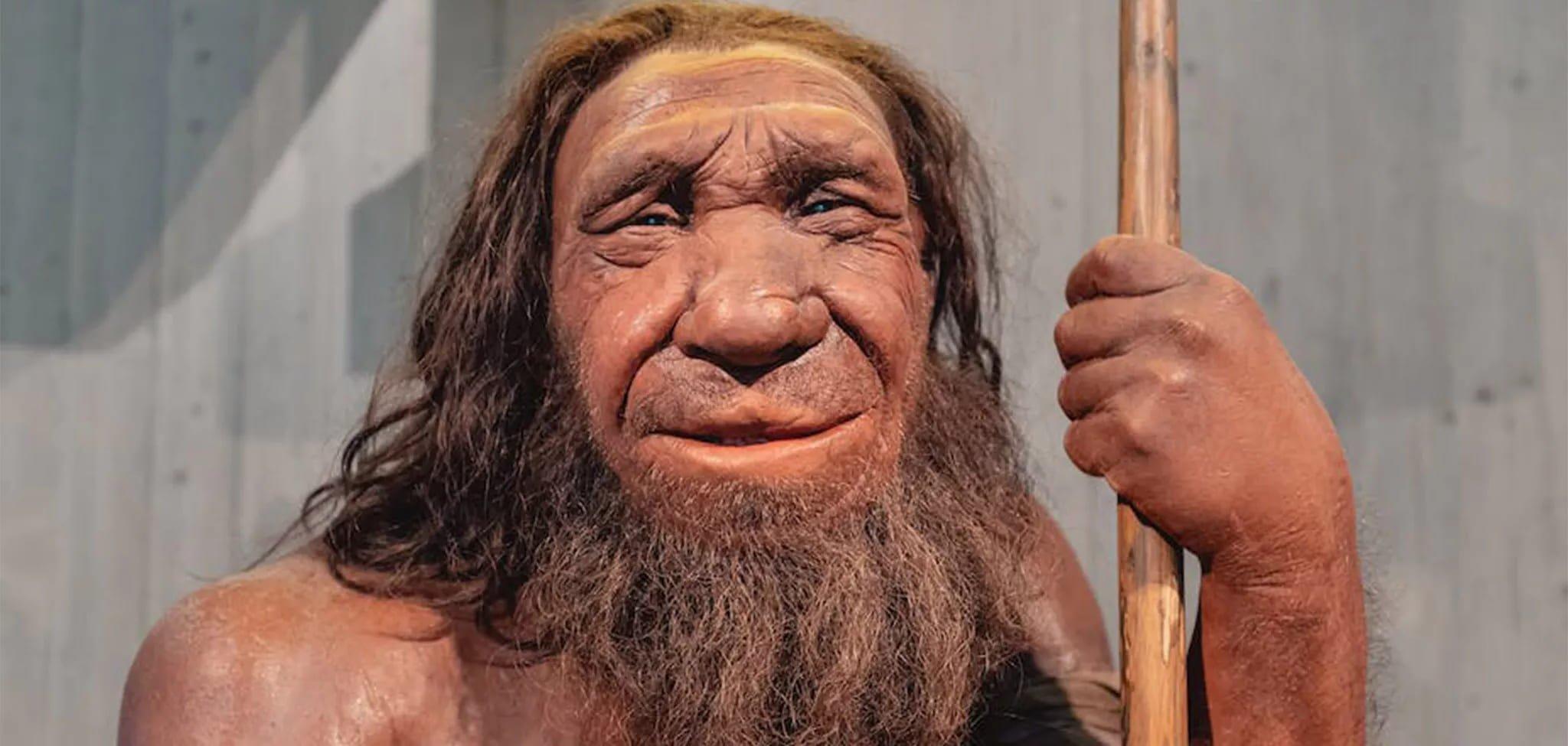
Under the peaceful surface of an ancient German lake, archaeologists have uncovered the vestiges of a human activity of unexpected complexity. There, between the sediments of Neumark-Nord, accumulate thousands of broken bones, witnesses of meticulous know-how deployed 125,000 years ago. These fragments tell a story of survival and precision, in which the fatty bone marrow fat appears as a central element of a rigorously orchestrated food strategy.
The analyzes carried out on site reveal that the parts of skeletons transported to the site mostly contained marrow or fatty fabric. Bovids, deer and horses, driven out in the region, were methodically bone, and the bones rich in sorted lipids, crushed then probably boiled. This concentration of remains on an area of only 50 square meters indicates an organized, repeated and localized activity. According to the article published in Science Advances, these were not simple remains of meals, but a workshop dedicated to the transformation of fat.

Neanderthal bone marrow fat, survival key in a hostile environment
It is now established that the diet of Neanderthals was largely based on meat. However, an exclusively meat diet exposes to a risk of fat and carbohydrate deficiency, which can cause a potentially mortal phenomenon known as “protein famine”. In this medium paleolithic environment, low in plants during certain seasons, lipids extracted from bones represented a vital caloric source. Neanderthal bone marrow fat could provide more energy than proteins or carbohydrates, which made it a strategic nutrient.
As Livenscience points out, the Neanderthals were not content to ingest the fresh marrow. They went further, transforming spongy bones into a fatty paste by a process requiring in time, fuel and tools. Percussion marks, traces of cutting and vestiges of households attest to this complex activity. This laborious extraction responded to a biological imperative as much as a fine knowledge of the resources of game.
A much more complex food strategy than we imagined
Long perceived as simple opportunistic hunters, Neanderthals here reveal an organizational capacity and an unexpected food sophistication. The Neumark-Nord site testifies to a know-how close to that of certain modern hunter companies, capable of storing, transforming and rationing nutrients according to the group's needs. The researchers even evoke the possibility of cache practices, with fatty bones preserved for subsequent treatment, probably in favorable environments such as water points.
This management of resources, coupled with a selective exploitation of the richest parts of carcasses, therefore illustrates a remarkable adaptive intelligence. In a landscape rich in game, but subject to seasonal constraints, the Neanderthal was able to develop lasting technical solutions. They founded their food choices not on primitive instincts, but on their experience, their planning and their precise knowledge of animal physiology.
The discovery of this prehistoric “culinary laboratory” pushes the limits of what we thought about the cognitive and social capacities of our missing cousins. Through the fat extracted from thousands of bones, it is a whole facet of their lifestyle that resurfaces.

With an unwavering passion for local news, Christopher leads our editorial team with integrity and dedication. With over 20 years’ experience, he is the backbone of Wouldsayso, ensuring that we stay true to our mission to inform.


