

These births, rare in Europe, confirm the efforts made by the zoo to preserve biodiversity and conserve endangered animal species.
Two new Patagonian sea lions
Two Patagonian sea lions, Eden and Ava, born on July 12 and 16, 2024. They quickly attracted the attention of the keepers and visitors of the Mulhouse zoo. After spending several weeks in the indoor lodge with their mothers, they were finally able to discover their new living space, the outdoor pool. And it was not until August 13, 2024, that their identification was carried out, the keepers therefore confirmed their good health and vitality.
Séverine Beurier, a veterinarian specializing in carnivorous animals, expressed her satisfaction to local media France 3 “ Babies bring life to the pool. We have a little female of two and a half years old, for her it is much better because she was starting to get bored with the adults. There, we noticed that she plays easily with the two babies”.
A great pride therefore for the Mulhouse zoo, indeed, this double birth is exceptional even on a European scale. This arrival is all the more important for the European Reproduction Program, especially when we know that this year, 6 Patagonian sea lions were born in European zoos, 4 of which are in France.
This species is certainly not included on the red list of the International Union for Conservation of Nature (IUCN), but remains under surveillance, due to the fragility of its populations in the wild.
The delicate breeding of musk oxen
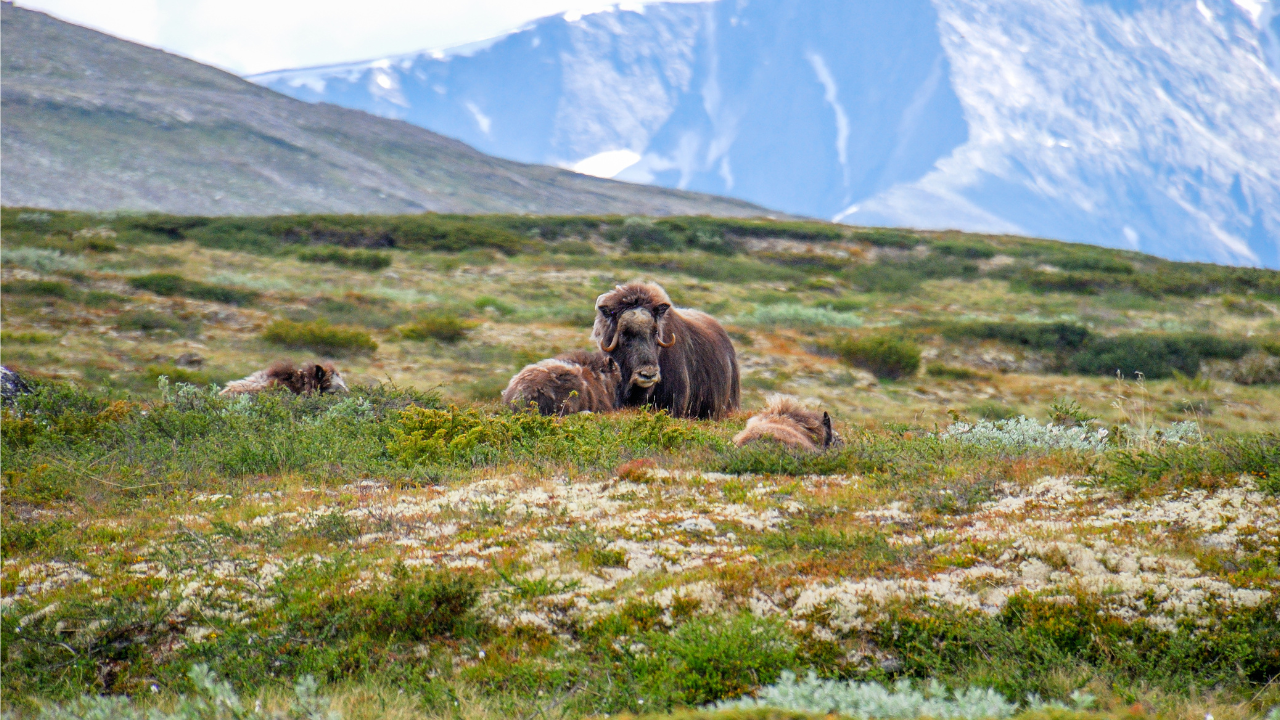
Alongside the sea lions, the summer of 2024 at Mulhouse Zoo was also marked by the birth of two musk oxen, Einar and Malka, on June 7 and 26 respectively. From the moment they were born, the zoo's veterinarians took specific measures to ensure their well-being, particularly regarding their living environment and diet. Indeed, these animals, originally from the Arctic, are particularly sensitive to their environment.
Ovibos moschatustheir scientific name, the newborns were therefore first placed in indoor lodges, in order to protect them from the summer heat, before adapting the ground of their living space, without vegetation in order to recall the ground of the Arctic and to prevent them from falling ill by ingesting grass.
The young musk oxen feed on their mother's milk, which is particularly nutritious, allowing them to gain up to 500 grams per day. As adults, they can reach a weight of 410 kilos, as the Mulhouse Zoo points out.
The role of zoos in species preservation
Although muskoxen are not classified as a threatened species by the IUCN, they remain highly exposed to this risk, due to global warming causing the loss of their natural habitat, particularly the melting of ice in the Arctic.
In line with its commitment to the protection of endangered species, these births are an excellent opportunity for the Mulhouse Zoo to raise public awareness of the conservation of Arctic species. Benoît Quintard, interim director of the park, also recalls the importance of these events for the work of raising public awareness to the local media, “These births are a great gateway to addressing broader issues, such as global warming and its effects on species in the far north. The park has also implanted electronic transponders on the musk oxen in order to monitor their development and offer them the best means of conservation.
Moreover, thanks to this work, the zoological park was also able to record the birth of three Socorro turtledoves (Zenaida graysoni)a species now extinct in the wild according to a 2020 IUCN report.
A sustainable commitment to biodiversity
All these births highlight the significant commitment of the very old Mulhouse zoological park (created in 1868) in the protection of endangered species.
In fact, since 1950 the zoo has become a center for research, preservation and breeding of endangered species. With this in mind, it opened the lemur building. Since then, it has coordinated global preservation programs and welcomed endangered animals.
Sources : France 3, Mulhouse Zoo, IUCN, MNHN

With an unwavering passion for local news, Christopher leads our editorial team with integrity and dedication. With over 20 years’ experience, he is the backbone of Wouldsayso, ensuring that we stay true to our mission to inform.


