
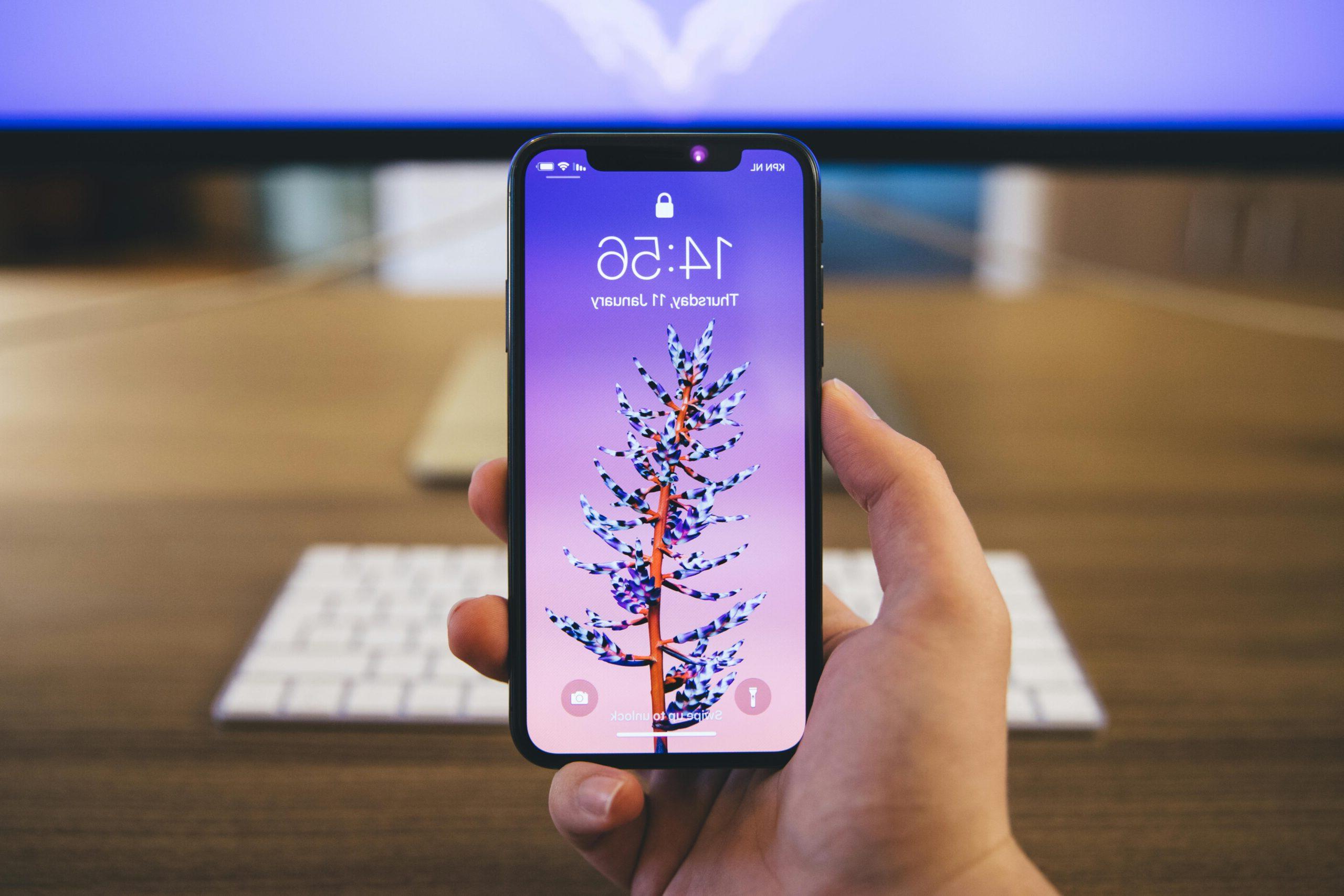

The quest for finesse redefines the contours of the modern smartphone, pushing engineers to reinvent each component. Apple is fully part of this dynamic with a lighter, more refined, but also more constrained device. It is in this context that the autonomy of the iPhone 17 Air becomes a central issue, revealing a new compromise between extreme design and expected performance.
Another consequence of this lightness race, the iPhone 17 Air would only offer a single rear photo module, a configuration that recalls the beginnings of the range. To compensate for the possible frustration linked to this drop in endurance, Apple would even plan to reintroduce the smart Battery Case, an accessory that has fallen into disuse in recent years. His return could coincide with the launch of the new model, as a way of compensating for the limits imposed by design.
What we already know about the autonomy of the iPhone 17 Air
If the raw figures worry, the brand is betting on innovations capable of reverse forecasts. The autonomy of the iPhone 17 Air could be provided by a silicon-carbon battery, a first for Apple according to Techradar. This type of battery, more dense in energy than the classics lithium-ion, would make it possible to maintain good autonomy while reducing the physical size of the component. This technological choice would reconcile extreme finesse and reasonable endurance.
Another Apple potential lever lies in the upcoming integration of new generation LTPO screens. These OLED tiles, currently in development with Samsung Display and LG Display, are renowned for their low energy consumption. Apple would like to extend this technology already present on the Apple Watch to larger screens, but this development should not be ready before 2027. By then, the iPhone 17 Air will have to count on other weapons to convince.
When software optimization takes over from the hardware
For several generations, Apple has compensated for the modesty of its batteries by a close control of its entire ecosystem. The joint control of hardware and software allows its smartphones to compete independently with devices with much more generous batteries. According to CNET, the firm is preparing to strengthen this advantage with an energy management system piloted by artificial intelligence, planned from iOS 26. This device, called adaptive power, will continuously analyze the use of the user to dynamically adjust the consumption of the telephone.
In addition to software optimization, a new more efficient chip could make the difference. If the iPhone 17 Air adopts the A18 chip well, as several analysts think, it would benefit from a better energy yield. Therefore, it would consume less than the previous models. This evolution is not by chance. From now on, it is on -board intelligence, and not the battery alone, which shapes the real autonomy of the phone.
Pending formalization, Apple seems ready to bet on a subtle alliance between miniaturization and energy intelligence. A risky bet, but faithful to its historical strategy.

With an unwavering passion for local news, Christopher leads our editorial team with integrity and dedication. With over 20 years’ experience, he is the backbone of Wouldsayso, ensuring that we stay true to our mission to inform.


