

Preserving memory may well begin sooner than we imagine. While curative treatments struggle to curb neurodegenerative diseases, researchers are exploring other levers, often unsuspected. Among them, the link between blood lipids and cognitive functions is now attracting attention. A path is emerging, supported by robust genetic data, suggesting that a reduction in the risk of dementia could be achieved through cholesterol control from adulthood.
Cholesterol, an unexpected player in memory
Long accused of harming the arteries, cholesterol also seems to influence brain health. The team led by researcher Liv Tybjærg Nordestgaard, during their work at the University of Bristol and Copenhagen Hospital, revealed that lower blood levels of non-HDL cholesterol (bad cholesterol) are associated with a reduced risk of developing a form of dementia during life. This discovery is based on a unique genetic analysis, which made it possible to simulate the biological effects of cholesterol-lowering treatments on the brain.
Their method, called Mendelian randomization, consists of observing the consequences of natural genetic variants on certain health parameters. In this case, the researchers looked at genes influencing the same proteins as statins or ezetimibe, two classes of drugs used to lower cholesterol. The results obtained in the UK, Denmark and Finland cohorts show a clear effect. People with these protective variants are less likely to develop dementia over time. According to data relayed by SciTechDaily, even a modest reduction in cholesterol, of one millimole per liter, corresponds to a reduction in risk of up to 80% for certain genetic targets.
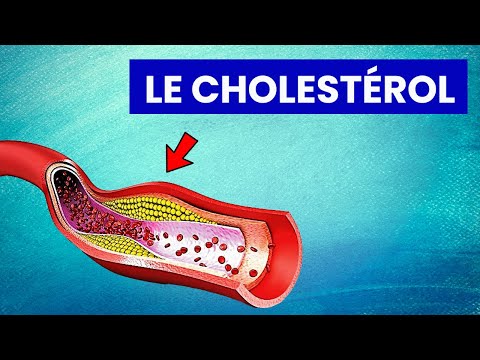
Behind these figures, a hypothesis is necessary. Cholesterol, essential for the proper functioning of neurons, could become toxic when it accumulates. It would then promote the formation of microclots and deposits in the cerebral vessels, gradually altering blood circulation and the transmission of nerve impulses.
Heart medications serving the brain
While the study does not directly prove that cholesterol treatments prevent dementia, it does illuminate a consistent biological relationship. The researchers observed that the genetic targets of statins (HMGCR), ezetimibe (NPC1L1) and CETP protein inhibitors, already known to protect the heart, are also linked to a reduced risk of cognitive disorders. This triple association reinforces the idea that lipid metabolism plays a central role in brain health.
The results published in the journal Alzheimer's & Dementia show that people with these genetic profiles benefit from a lasting protective effect, reflecting lifelong exposure to lower cholesterol. The most marked effect concerns vascular dementia, often linked to atherosclerosis, this accumulation of fats in the arteries which slows down blood circulation.
However, scientists remain cautious. They point out that their conclusions concern the genes, and not the drugs themselves. Further trials will be necessary to verify whether prescribed treatments, used over several decades, produce the same protective effects. Dr Nordestgaard mentions the need to follow volunteers over twenty or thirty years in order to observe, in real life, the impact of a prolonged reduction in cholesterol on memory.
Towards a new strategy for reducing the risk of dementia
This study disrupts the boundary between cardiovascular prevention and cognitive health. What we thought was reserved for the heart could also be used for the brain. By lowering cholesterol early in life, we would limit not only heart attacks and strokes, but also the progressive deterioration of neuronal circuits which characterizes dementia.
The researchers put forward a logical explanation. High cholesterol levels cause stiffness in the arteries, including those that supply blood to the brain. This loss of elasticity compromises the supply of oxygen and nutrients to neurons, precipitating their decline. Conversely, more fluid and better oxygenated blood would preserve key areas of memory and thought.
This convergence between heart and brain therefore opens up new avenues of prevention. Doctors may one day recommend early cholesterol control not only to reduce cardiovascular risks, but also to delay the onset of cognitive disorders. Such an approach would no longer be a simple treatment, but a real strategy for cerebral longevity, based on metabolic hygiene common to the entire body.

With an unwavering passion for local news, Christopher leads our editorial team with integrity and dedication. With over 20 years’ experience, he is the backbone of Wouldsayso, ensuring that we stay true to our mission to inform.


